Image
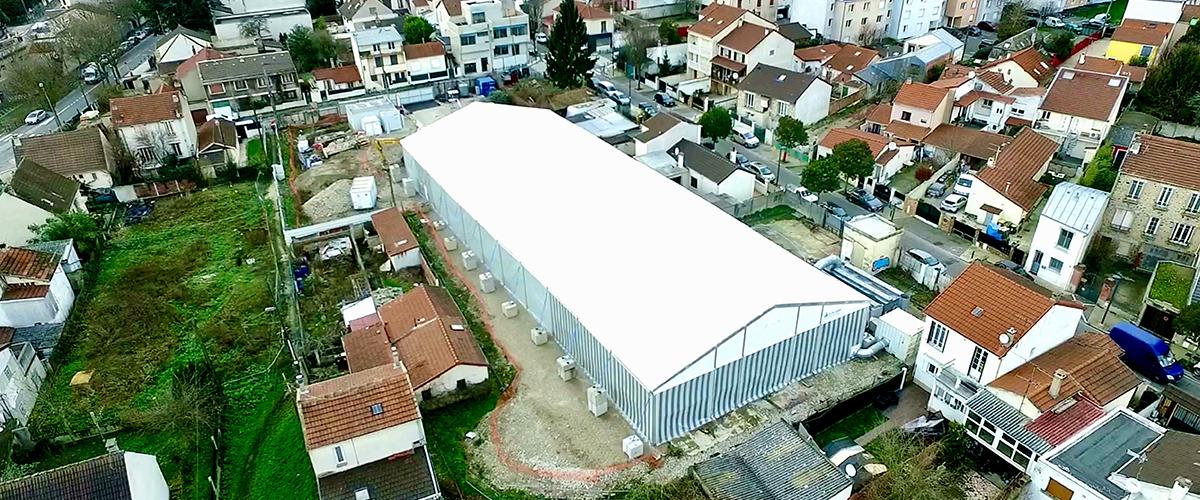
Ginkgo favours in-situ and on-site decontamination techniques to reduce environmental impact, optimise costs and speed up decontamination and redevelopment at the same time.
With an in-house team of soil remediation engineers, the Ginkgo Fund draws on in-house expertise to implement a remediation strategy that best serves each real estate project, while ensuring that it meets both local and global environmental challenges. Therefore, virtuous, energy-efficient treatments based on the degradation of pollutants on site and/or in situ as close as possible to the source are preferred.
Ginkgo's teams work on proven processes using the principles of biodegradation (biological, aerobic or anaerobic treatments), volatilization (venting, bioventing, dual-phase extraction, in-situ thermal desorption) and chemistry (washing, flushing, chemical reduction, chemical oxidation, dehalogenation using zero iron). Ginkgo's experts take part in technology watch and follow research and development programs in order to size and apply the best technologies available on the market.
Transport to treatment centers is used only as a last resort. In such cases, Ginkgo favors the use of soil treatment processes that offer soil recycling (cement works, quarries, biocenters, etc.). The volumes of soil excavated by physical treatment are systematically optimized to reduce the number of lorries on the roads and the impact on the environment and local residents.